
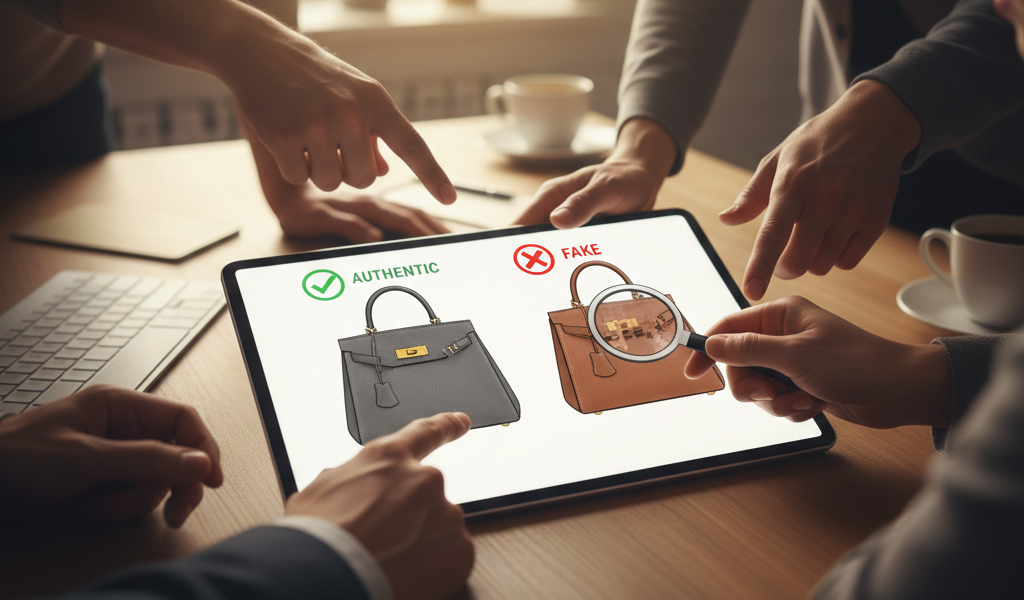
Let’s be honest — online shopping has become our modern-day sport. But lurking in the shadows of cyberspace are shady websites that look just like your favorite stores… except instead of delivering your new coffee maker, they deliver heartbreak, empty wallets, and a crash course in “Why Didn’t I Check the URL First?”
These scam sites are digital chameleons, mimicking logos, layouts, and even customer reviews so well that you’d think they deserve an award for Best Supporting Actor in the category of “Pretending to Sell You Stuff.” The good news? With a trained eye (and maybe a dash of healthy skepticism), you can spot these online imposters before they snatch your hard-earned cash.
In this article, we break down the tell-tale signs of fake websites and online stores. Look out for these signs: 1. Unrealistic Deals: If prices are drastically lower than elsewhere, it could be a bait to lure you in.
2. Unusual Web Addresses: Scammers often use URLs that look similar to real sites but with subtle differences. Always check for proper spelling and domain extensions. Before entering personal or payment information, verify the web address. Type it directly into your browser rather than clicking on ads or email links.
3. Lack of Contact Information: Legitimate businesses provide a physical address, phone number, and customer service email. Fake sites often have only a contact form or generic email address.
4. Poor Website Quality: Watch for blurry images, broken links, awkward layouts, and spelling or grammatical errors.
5. No Secure Connection: Genuine sites use HTTPS (look for the padlock icon next to the URL). If the site only uses HTTP or displays security warnings, stay away.
6. Limited or Fake Reviews: Scam sites may have no reviews, only positive reviews, or reviews that look copied and pasted. Search for independent reviews outside the website.
7. Odd Payment Methods: Be wary if the site only accepts wire transfers, cryptocurrency, or asks for payment via gift cards. Reputable stores usually offer credit card or trusted payment options. If the site offers the ability to pay with credit card, then use it. Credit cards offer better fraud protection and make it easier to dispute unauthorized charges.
What to Do If You’ve Been Scammed
If you suspect you’ve fallen for a fake website:• Contact your bank or credit card provider immediately to stop or dispute the charge.• Change your passwords for any accounts that might be compromised.• Warn others by leaving reviews or sharing your experience.
Remember – the internet is basically one giant shopping mall where the food court is open 24/7, but so is the pickpocket brigade. If that “luxury watch” is 90% off and ships from a warehouse “somewhere near the moon,” it’s probably safer to just walk away (or run).
A few extra seconds spent checking URLs, reviews, and payment options can save you hours of panic and regret later. So, shop wisely, trust cautiously, and protect your wallet.
